
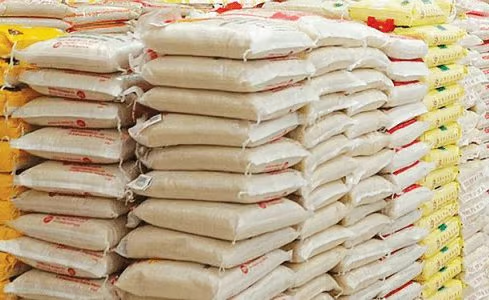
If you last bought rice in October and went back to the market this week, you probably noticed the change before the seller finished saying the number.
Most of 2026 was a good year for rice buyers. Prices drifted down for months. Now they are moving up again, just as the festive season gets closer.
This guide pulls together the latest market surveys and price reports, shows what a 50kg bag costs in different parts of the country, explains why the price keeps shifting, and gives you some practical ways to spend less.
Quick answer: How Much is a 50kg Bag of Rice in Nigeria?
As of mid-November 2026, most reports put a 50kg bag of rice somewhere between ₦63,000 and ₦90,000. Where you land depends on three things: whether the rice is local or foreign, which brand you pick, and which market you buy from.
Two numbers help frame it. A price tracker called Useagrios estimated the national average across 37 markets at ₦79,207 on 9 November, as reported by Daily Trust. In Abuja, the same newspaper found local rice mostly selling for ₦63,000 to ₦65,000, while some foreign brands had jumped from ₦68,000 to ₦90,000 inside a single week.
One warning before you quote any average: Daily Trust noted that most of the Useagrios figures were modelled estimates, not prices recorded at the stall. Treat the average as a guide, not a receipt.
Recent Price Reports at a Glance
| When | Source | What it reported for a 50kg bag |
|---|---|---|
| 9 Nov 2026 | Useagrios, via Daily Trust | National average of ₦79,207 across 37 markets (mostly modelled) |
| Early Nov 2026 | Daily Trust survey, Abuja | Some foreign brands up from ₦68,000 to ₦90,000; local rice ₦63,000–₦65,000 |
| Late Oct 2026 | Legit.ng dealer data, Lagos | Imported long-grain about ₦53,375; imported short-grain about ₦50,800 |
| Late Sept 2026 | ArketData | Median foreign rice ₦66,000 across 12 markets (range ₦58,750–₦70,000) |
| Late Sept 2026 | BusinessDay survey | Foreign parboiled about ₦68,000; local parboiled about ₦61,000 |
| Sept 2026 | Legit.ng dealer data | Imported long-grain about ₦54,300; Nigerian-made about ₦53,000 |
You will notice the numbers don’t agree with each other, and that is normal. Each survey visits different markets, on different days, and counts different brands. A dealer in Lagos selling to retailers will quote a lower figure than a provision shop in Lugbe selling to households. When you plan a budget, use these as a range and then check your own market.
How the Price of Rice Moved in 2026
The year started expensive. In January, a 50kg bag of imported long-grain rice sold for about ₦70,000, according to a Legit.ng market survey. Nigerian-manufactured rice and imported short-grain were both around ₦60,000.
By September those same bags had fallen to roughly ₦55,000, ₦53,000 and ₦51,000. That is a ₦15,000 drop, or about 21 per cent, on imported long-grain alone.
The official data pointed the same way. AGRA’s Food Security Monitor put the national average price of milled rice at ₦616.94 per kilogramme in August, down 6.9 per cent from July and about 31.8 per cent lower than a year earlier.
Traders felt it on the ground too. A rice seller in Agege Market told Legit.ng that a bag which cost ₦61,000 to ₦63,000 around Easter was going for ₦51,000 to ₦55,000 a few months later. By October, Lagos dealers were recording very little movement, with imported long-grain at about ₦53,375.
Then November happened. Foreign brands started climbing in Abuja, the national estimate jumped, and talk of a Christmas squeeze came back.
It also helps to remember where we were a year ago. In late November 2025, Lagos State Governor Babajide Sanwo-Olu said Lagos-milled rice was selling for ₦57,000 to ₦58,000 a bag, and compared that with averages of ₦100,000 to ₦120,000 the year before. So today’s prices, even at ₦79,000, are well below the worst of 2024 and early 2025. They just feel heavy because October was so much cheaper.
Price of 50kg Rice by City and Region
Rice does not cost the same everywhere in Nigeria. Distance from the mills, transport costs, and the number of middlemen between the miller and you all add to the final price.
Here is how some markets looked in the 9 November Useagrios report (again, mostly estimates):
- Mile 12, Lagos: ₦85,744
- Garki Model Market, Abuja: ₦84,443
- Oil Mill Market, Rivers State: ₦83,530
- Ogbeogonogo Market, Delta State: ₦82,835
- Swali Market, Bayelsa State: ₦82,797
- Kaduna Central Market: ₦74,600
The pattern is consistent with what Nairametrics found in a zone-by-zone survey in the first week of May 2026. Abuja was the cheapest market it checked, at ₦53,000 to ₦55,500 a bag. Lagos ran from ₦55,000 to ₦65,000, Kaduna was around ₦60,000, and Bauchi sat between ₦60,000 and ₦61,500. The survey’s overall range was ₦53,000 to ₦82,000, and it found buyers in parts of the South-South paying the most.
Traders in Port Harcourt told Nairametrics the higher prices there come down to transport costs, several layers in the distribution chain, and the general cost of running a business in the region. If you live in the South-South or South-East, that is the reason your bag usually costs more than the same bag in Kaduna or Abuja.
The north is not automatically cheap either. The same Nairametrics report noted that some North-East markets had climbed to ₦80,000–₦90,000 by May because of supply disruptions and higher distribution costs. Insecurity along supply routes plays a part there.
Local rice vs Foreign Rice: Which Costs More?
For most of this year, imported long-grain rice was the pricier option, and local rice was slightly cheaper. In January, imported long-grain was ₦10,000 above Nigerian-manufactured rice. By September the gap had narrowed to about ₦2,000.
November has scrambled that. In Abuja, foreign brands jumped sharply while local rice stayed at ₦63,000 to ₦65,000. A seller in Lugbe told Daily Trust he skipped his usual foreign brand because it had gone from ₦65,000 to ₦68,000 to ₦90,000 within a week, and bought a different brand at ₦80,000 instead. In Ilorin, a retailer said local brands had moved up to ₦65,000 from ₦55,000–₦58,000.
The worry in the market is that local rice follows. When foreign rice gets expensive, buyers switch to local, demand rises, and local sellers raise prices to match.
Miller economics matter here too. The Federal Government estimated the cost of producing a 50kg bag of locally milled rice at ₦49,389.23 and suggested a selling price between ₦55,000 and ₦57,000. Millers pushed back, saying paddy, electricity, diesel and other costs mean they can’t sell below ₦58,000. At the time, locally milled rice was selling for ₦60,000 to ₦67,000. So even when things are calm, there is a floor under local prices.
What About 25kg Bags and the Derica?
Not everyone can pay ₦60,000 or more at once, so many households buy smaller quantities.
In Lagos in October, a 25kg bag of Nigerian-manufactured rice averaged about ₦25,643, while Eko rice in the 25kg size was listed at ₦31,000. For measures, Legit.ng’s September data had the 0.75kg derica at ₦1,000 for Nigerian-made rice, ₦1,300 for imported long-grain and ₦800 for imported short-grain.
Do a quick calculation and the savings from buying in bulk become obvious. A ₦1,000 derica of local rice works out to about ₦1,333 per kilogramme. A ₦53,000 bag of the same rice works out to ₦1,060 per kilogramme. Buying by the derica costs roughly a quarter more. And measures are moving too: the Abuja seller quoted by Daily Trust said the measure he sells by went from ₦2,300 to ₦2,800 in a matter of days.
Why Pice prices are Rising Again
No single factor explains it. Several things are pushing in the same direction at once.
1. The naira has weakened. Early in November the official rate had strengthened to about ₦1,346.79 to the dollar, which was a gain of more than 6 per cent over the year. By 19 November, the Nigerian Foreign Exchange Market was quoting about ₦1,388, and the parallel market had reached ₦1,468, according to Vanguard. Analysts blamed tighter dollar supply and festive-season demand from importers and businesses. A weaker naira raises the landing cost of imported rice, and importers price in the risk of further falls.
2. Festive demand. Every year, demand for rice spikes from late November through December. Jollof for parties, family gatherings, church events, owambe and travel all add up. Sellers know this and adjust early.
3. Local farmers planted less. This is the longer-term problem. Cheap imports earlier in the year hurt local producers, and many cut back. Legit.ng reported that fewer than 30 per cent of the more than 500,000 farmers in Kebbi State, a major rice hub, grew rice in the 2026 dry season. The US Department of Agriculture projects harvested area of about 4 million hectares for the 2026/27 season, down roughly 11 per cent from 4.5 million, and it expects milled rice ending stocks to fall by around 19 per cent to 1.84 million tonnes. A November report from S&P Global Commodity Insights quoted market sources saying paddy acreage fell by 10 to 15 per cent because of high input costs.
4. Production costs are still high. Fertiliser, diesel, labour, transport and mechanisation all cost more than they used to. Rice millers have been saying this for a while, and it is why local rice rarely drops as far as imported rice does.
5. Pricing behaviour in the supply chain. Farmers’ groups have also accused some middlemen and importers of holding stock back to profit when prices rise. That is their allegation, and I haven’t seen it independently confirmed, but it is a common complaint in Nigerian food markets whenever prices jump.
There is one cushion. S&P Global’s report said cargoes already on the way should cover near-term import needs, which could limit how far prices climb before the year ends.
What to Expect Before Christmas
Nobody can promise you a number, and be careful with anyone who does. What the evidence suggests is this: the weaker naira and the festive rush point towards firmer prices through December. Imported stock already on the water may soften the blow. And if local rice prices rise to follow foreign rice, as some traders fear, the cheaper option will stop being cheap.
Looking further ahead, lower planting this year could tighten supply in 2027. Nigeria has been through this cycle before: cheap imports push prices down, farmers plant less, supply thins out, prices climb again.
If you buy rice regularly, keep an eye on three things: the naira rate, what dealers in Lagos (Mile 12) and Abuja (Garki) are quoting, and whether local brands start to move.
How to Buy a 50kg Bag of Rice Without Overpaying
These are simple habits, but they save real money.
- Check at least three sellers. In a week when prices jump by ₦20,000, a quick call or a walk through two more shops pays for itself.
- Ask about the brand and type. Foreign parboiled, local parboiled, short-grain and long-grain are priced differently. Make sure you are comparing like with like.
- Buy closer to the source if you can. Distributors and mill-gate sellers usually charge less than retail shops. Some state governments also sell their own brands at set prices, such as the Lagos-milled rice mentioned earlier.
- Split a bag. Sharing a 50kg bag with a neighbour, a colleague or a family member beats buying by the derica.
- Inspect before you pay. Look for stones, broken grains, a musty smell, and a clear production or expiry date. Confirm the bag is the weight on the label.
- Don’t panic-buy more than you can store. Rice kept in a damp room or on bare floor gets weevils quickly. Keep it off the ground, away from moisture, in a sealed container if possible.
- Compare per kilogramme. If you must buy in smaller sizes, divide the price by the weight, so you know what you are really paying.
Frequently Asked Questions
What is the price of a 50kg bag of rice in Nigeria today? Most recent reports put it between about ₦63,000 and ₦90,000, depending on brand, type and location. A national estimate from Useagrios put the average at ₦79,207 on 9 November 2026.
Is rice cheaper than it was at the start of the year? Mostly yes. Imported long-grain rice sold for about ₦70,000 in January and about ₦55,000 in September. But prices have risen since October, so the gap is closing.
Which is cheaper, local or foreign rice? It has varied. Through most of 2026 local rice was a little cheaper. In November, foreign brands in Abuja went above local ones. Check both in your market.
Where is rice cheapest in Nigeria? Markets nearer to rice-producing areas and big mills, such as Abuja and Kaduna, have generally been cheaper than the South-South and South-East, where transport and distribution costs are higher.
How much is a derica of rice? In September, a 0.75kg derica was ₦1,000 for Nigerian-made rice, ₦1,300 for imported long-grain and ₦800 for imported short-grain, according to Legit.ng. Some sellers have raised prices since then.
Will rice prices fall before Christmas? Unlikely to fall much. Festive demand and naira weakness point upward, though imports already on the way may limit the rise.
Why do the numbers in different news reports not match? Surveys cover different markets, dates, brands and bag types, and some averages are modelled rather than collected at the stall.
The Bottom Line
A 50kg bag of rice in Nigeria is cheaper than it was in January and dearer than it was in October. Right now it sits somewhere between ₦63,000 and ₦90,000, with the lower end mostly local rice outside the South and the higher end mostly foreign brands in big southern markets. The naira, the festive season and a thinner local harvest are all pulling prices the same way.
Prices in Nigerian markets can change within days, so use this article as a guide and confirm the figure with your own supplier before you pay.